

“Music’s great; I can put my secrets in the music and the music looks after them for me.”
Music Therapy is not the same as music tuition: its purpose is not to teach someone how to play an instrument but to allow them to translate their emotions and psychological processes into expressive music in order to release feelings, repair them and heal. Music can offer an alternative method of communication or expression where words are not an option or are inadequate. Some feelings are just too heavy for words to carry – but music always finds a way to express them. The aim is to bring out the client’s creativity in order to develop positive changes in behaviour, emotional and physical well-being and communication.
Music is a powerful emotional medium which can affect people profoundly And seems to give us permission to connect with our deepest emotions. These emotions can sometimes be melancholy and sad, sometimes angry, sometimes exuberant, joyous and life affirming.
Moreover, this intense emotional response to music seems to be unimpaired by illness or disability.
You will be contacted by our Music Therapy Lead to discuss your requirements further.

“Where words fail, music speaks.”
Communicating through music
We help students to use music to express their emotions and communicate in a way which they feel comfortable and confident. Giving a voice to those who don’t have one and allowing a calm to be achieved in the most turbulent of storms.
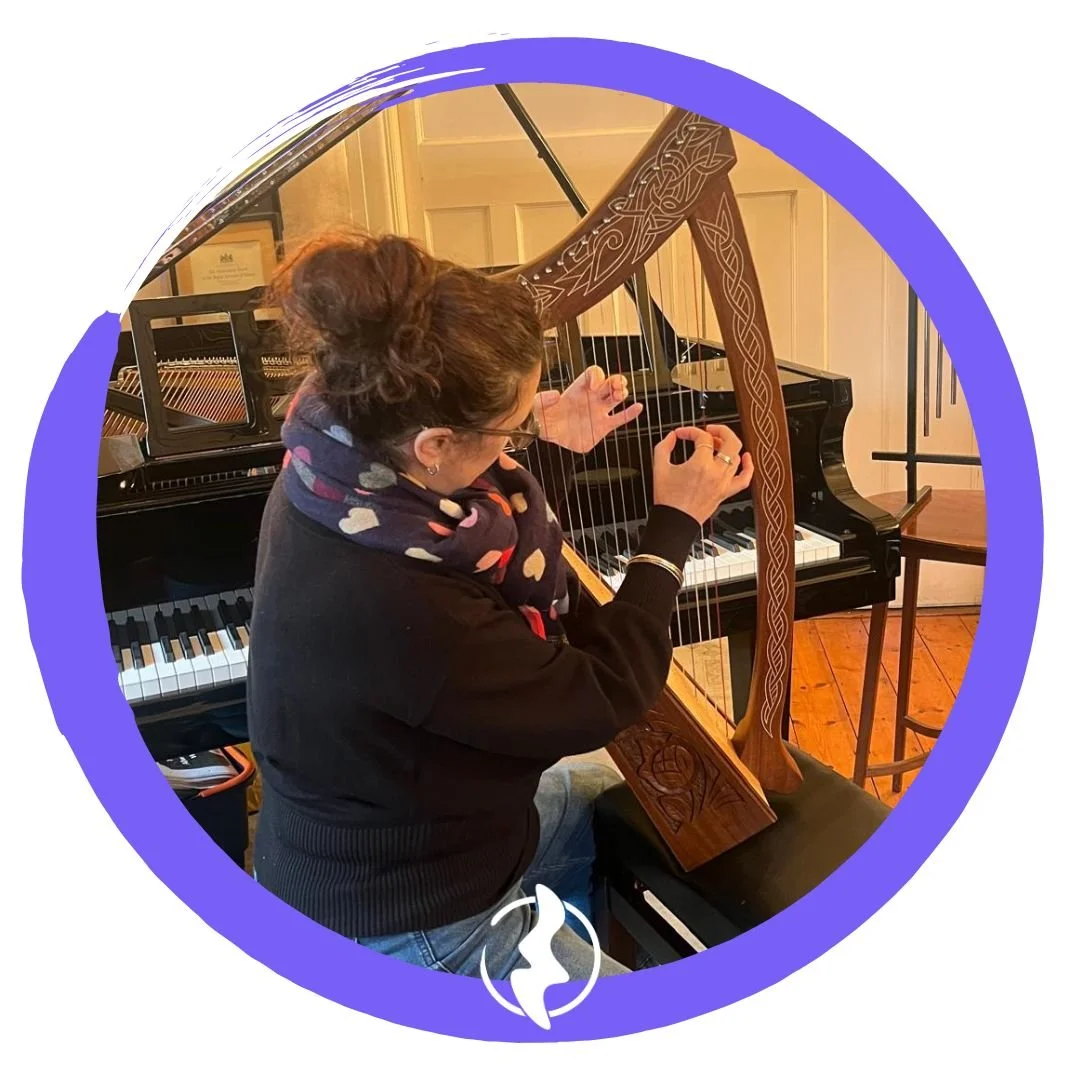
“With its emphasis on listening, turn-taking and self-expression, music therapy can provide the perfect way to enter the world of communication and social interaction.”
HOW YOU PLAY IS WHO YOU ARE
Music therapists are rigorously and carefully trained to tune into and support whatever their client needs to express. Using improvised music, the therapist may also encourage clients to explore connections between the music they create and thoughts or events in their lives, which can lead to life-changing insights and shifts in behaviour.
Importantly – and wonderfully - as it is unburdened by the need for words, music therapy can be particularly effective in helping clients who have no speech, for whom the world of words is not available - or who lack the ability to talk about their emotions.
Read some case studies of students who have received Music Therapy through CMST
Trained Music Therapists
CMST’s team of music therapists are all skilled musicians who have undergone professional music therapy training at post-graduate level. They are all registered with and monitored by the Health and Care Professionals Council and they are all supported with regular professional supervision.
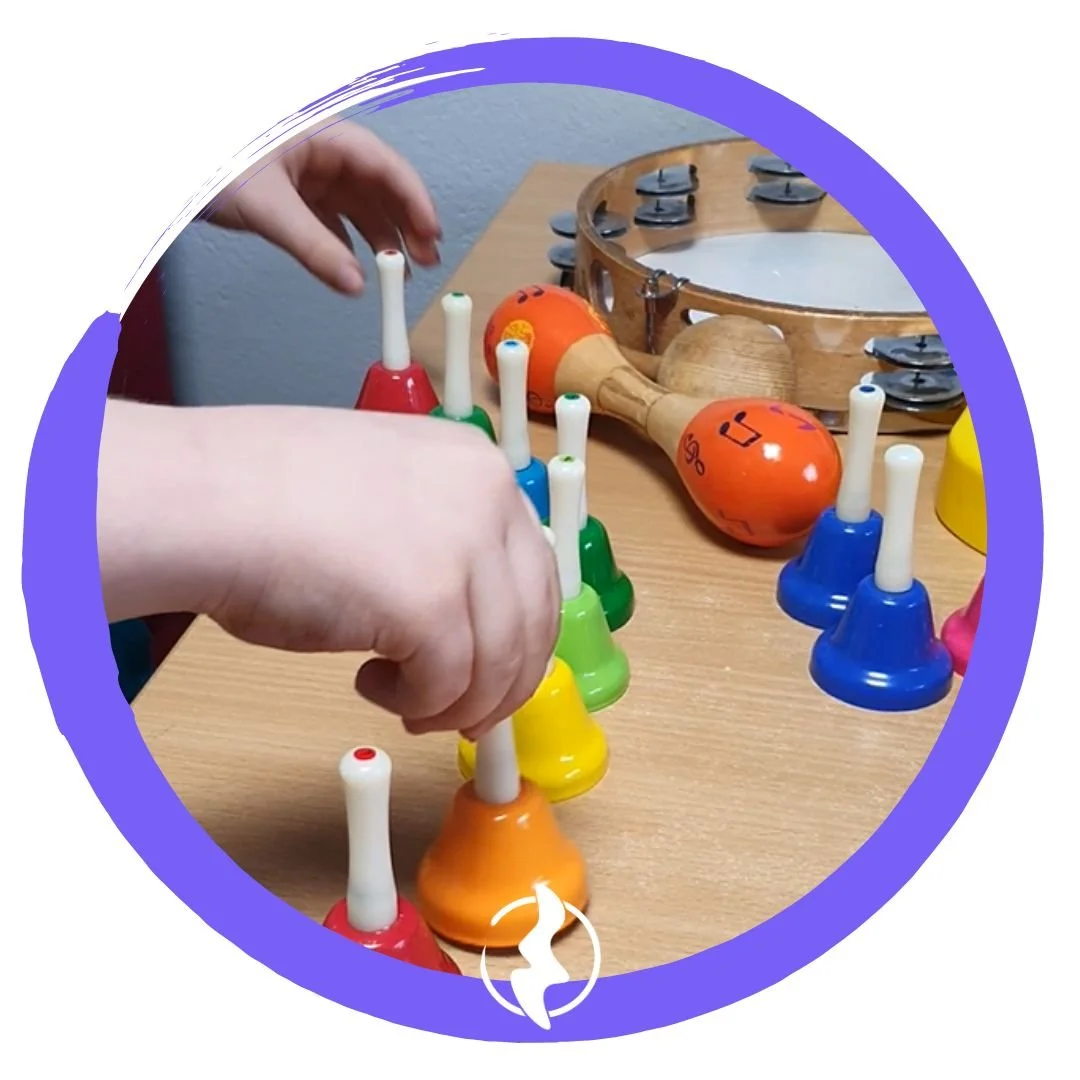
“As well as having an opportunity to express their feelings, children having music therapy develop self esteem and social skills such as listening, turn taking and appropriate communication. All of this can transpose to the classroom and help enhance their learning experience”
-
Music therapy has proven effectiveness for those with:
Learning disabilities
Challenging behaviour
Developmental delay
Mental health problems
Physical difficulties
Bereavement issues
Eating disorders
Autistic spectrum conditions
Problems relating to abuse
Attachment issues
Family and adoption issues
Dementia and Alzheimer’s
Aphasia
Life threatening conditions
Life-limiting conditions
-
Our approach aims to be accessible and beneficial to anyone who requires support. A carefully planned assessment is always carried out to ensure that the client is receiving the best possible service.
Music therapy can help to
identify, connect with and express feelings
build self-confidence
develop social and communication skills
enhance self-awareness
recognise and manage any unhelpful behaviours or thoughts
-
Therapists work with either individuals or groups in a variety of settings and adjust the sessions according to the needs of each client.
A diverse range of instruments are provided which the client can use to express themselves freely if they so wish. Improvised music is the main tool used by the therapists to interact and support whatever the client brings. The approach is flexible enough to allow for all abilities and needs. For young children, the music-making can be enormous, safe and boundaried fun; for older clients music can offer its power to create an intense experience.
Consistent and regular sessions enable a trusting relationship to develop between client and therapist so that any emotion or behaviour can be explored safely and constructively.
The non-verbal nature of the music is more accessible and expressive than a talking therapy alone and is particularly effective for those who do not have the ability to communicate verbally or find it difficult to express in words.
-
Across Cornwall, CMST’s music therapists work in a variety of settings including hospitals, mainstream and special schools, children’s centres, nurseries and residential care homes.
The therapists liaise with other health and education professionals, parents and carers. They provide written reports for annual reviews, attend case meetings and reviews.
-
A summary of current fees can be found HERE
A bit more about us!
In a move that will see a significant strengthening of Music Therapy provision in Cornwall, local charities, Cornwall Music Service Trust (CMST) and Cornwall Music Therapy Trust (CMTT) have merged. The two Trusts have worked together for a number of years, with CMTT, through grants and fundraising efforts, both subsidising and fully funding the services that CMST and other accredited Music Therapists deliver across the region.

As well as creating a united voice for Music Therapy in Cornwall, the collaboration will enable the providers of Music Therapy services in the county to access funding to help keep up with growing demand for service provision, as well as ensure that Music Therapy is accessible to all who need it, for the long term.
“I have seen music therapy open up the world to children with profound communication difficulties. For our pupils who cannot express themselves through language, a special hour shared with their music therapist enables them to express their emotions and share interactions using the universal language of music.”

